Tangem security is built around NFC signing and multi-card key backups
Tangem security is a cold wallet design where the private key is generated and stored inside a physical NFC card, then used to sign crypto transactions through a mobile app without exposing the key to the phone. Its standout feature is the seedless backup model: two or three Tangem cards can act as copies of the same wallet, replacing the usual paper 12-word recovery phrase for users who want fewer ways to leak a seed online.
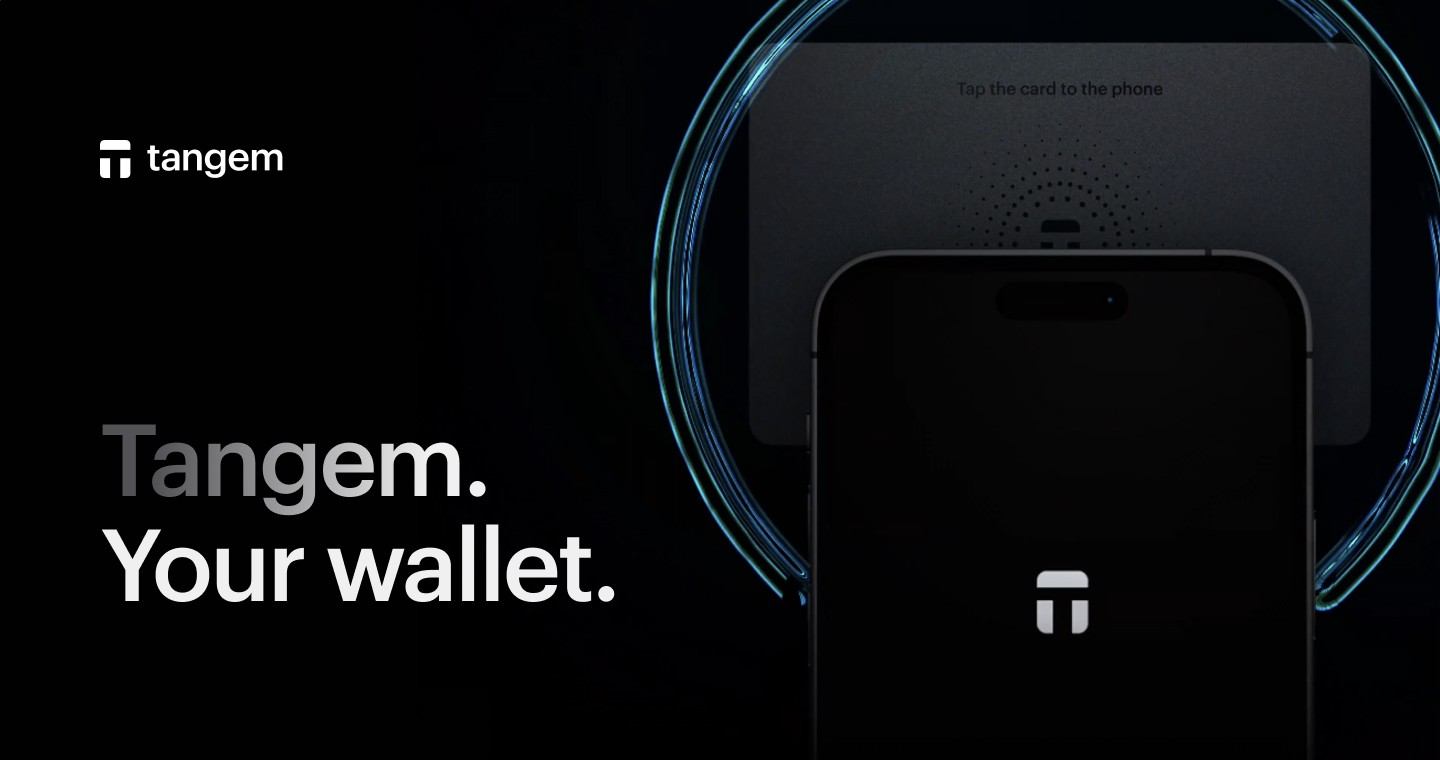
The setup feels different from screen-and-cable hardware wallets because the card has no battery, cable, buttons, or display. It wakes when a compatible iPhone or Android phone powers it through NFC. The Tangem app prepares the action, the card signs after the user taps it, and the signed transaction goes back to the blockchain network. That simple tap is the visible part of a security model focused on isolating the private key from internet-connected devices.
NFC signing starts on the phone and finishes on the card
A Tangem transaction begins in the app. The user chooses a coin such as Bitcoin, Ethereum, XRP, Solana, Cardano, or a supported token, enters the destination and amount, then confirms the transaction data on the phone screen. After that, the phone asks for the card. The NFC tap lets the secure chip sign the transaction internally, so the private key stays in the card rather than being copied into app memory.
This is the core of Tangem security: the smartphone handles the interface, balances, networks, and broadcasting, while the card handles the cryptographic signing step. The arrangement keeps daily use mobile-first without turning the phone into the place where the secret key lives. A stolen phone alone does not contain the card's private key, and a card alone still needs the app flow and access controls to spend funds.
Multi-card backups replace the paper seed workflow
The most recognizable Tangem choice is the backup set. During setup, the wallet can be linked to multiple cards, commonly sold as a two-card or three-card pack. Those cards represent the same wallet credentials, so they are not separate wallets with separate balances. If one card is lost or damaged, another card from the same set signs for the same blockchain addresses.
That model changes the usual recovery problem. Many hardware wallets ask the owner to write down a BIP39 recovery phrase, often 12 or 24 words, then protect that phrase from theft, fire, screenshots, cloud sync, and accidental disposal. Tangem makes the seedless path the normal path and treats a recovery phrase as an optional advanced setup. For people who are more likely to mishandle a paper seed than a physical card, Tangem security reduces a common failure point.
The cards still deserve serious physical handling. Keeping all backups in one bag or one drawer defeats the purpose of redundancy. A sensible arrangement separates cards across secure locations while keeping them accessible enough for inheritance planning, device migration, or urgent fund movement.
Private keys, coins, and what the card really stores
The card stores private key material, not the coins themselves. Bitcoin, Ethereum, stablecoins, NFTs, and other assets remain recorded on their respective blockchains. The card proves control over addresses by signing valid transactions. That distinction matters when someone asks whether funds are "on" all three cards. The same wallet set controls the same addresses, so the balance visible in the app is tied to the blockchain account, not duplicated across pieces of plastic.
Because Tangem security centers on key custody, the most important habit is protecting signing authority. The access code, the backup cards, and the phone used to review transaction details form the everyday control surface. Someone who only sees a public address sees the wallet balance but cannot spend from it. Someone with a working backup card and the required access path gets much closer to the funds.
The secure element is the vault, the app is the dashboard
Tangem describes its cards as secure hardware wallets using a certified chip and a design that keeps keys inside the card. The chip acts like a tiny vault built for cryptographic operations. It generates or stores the wallet secret, accepts a signing request, produces a signature, and returns that signature without handing over the private key.
The app has a separate job. It shows balances, supported networks, swaps, staking options where available, token lists, and transaction prompts. That separation is useful, but it also means the phone screen is where the user reviews addresses and amounts. Since the card itself has no display, careful transaction review happens in the app before the tap. Tangem security is strongest when the user treats the phone confirmation screen as the place to catch wrong addresses, malicious clipboard changes, and risky contract interactions.
Everyday use cases for a seedless card wallet
The design fits people who want cold storage without maintaining a metal seed plate or memorizing recovery rituals. It works well as a long-term holding wallet for major assets, a travel-friendly signer for mobile transfers, or a separate storage layer away from an exchange account. The card format also suits users who dislike charging devices or connecting hardware over USB.
- Holding Bitcoin, Ethereum, and supported altcoins under self-custody.
- Signing mobile transactions without exposing the private key to a hot wallet.
- Keeping backup access through a second or third card.
- Separating exchange trading funds from longer-term storage funds.
- Using swaps, sends, and receives from a phone-based wallet interface.
For DeFi, token approvals, and NFT activity, the same custody logic applies: the card signs what the app presents. The owner still decides whether a smart contract approval, bridge transfer, or token swap is worth signing. Hardware protection does not make every on-chain interaction high quality; it protects the key while the user chooses the transaction.
Setting up without creating a fragile recovery habit
Initial setup follows a short mobile flow. Install the Tangem app, scan the first card, create the wallet, add the backup cards during the same setup, and set the access code. The app then displays receive addresses and supported assets. The important point is to finish the backup step before moving meaningful funds, because an unbacked wallet creates a single physical point of failure.
After setup, test the routine with a small transfer. Receive a modest amount, close the app, reopen it, scan a backup card, and confirm that the same wallet appears. This small rehearsal proves that the cards belong to the same wallet and gives the owner confidence before sending larger balances. Tangem security benefits from this early test because the backup plan becomes familiar before stress or urgency enters the picture.

Where the model is stronger than a traditional seed phrase
A paper recovery phrase is powerful because any compatible wallet can restore it. That same portability creates risk: a photo, cloud note, fake support form, or compromised printer turns the phrase into an instant theft path. The Tangem card approach narrows that exposure by keeping the secret in hardware and avoiding a visible recovery phrase during the default setup.
This advantage is especially practical for beginners. People new to self-custody make mistakes with screenshots, password managers, shared documents, and "backup" emails. Tangem security gives them a physical backup object instead of a readable secret. The trade is clear: recovery depends on preserving access to the backup cards rather than preserving a phrase that can be typed into many wallets.
Risks to understand before loading serious funds
The no-screen card format demands trust in the phone display and discipline when reviewing transaction details. If malware, a fake app, or a malicious website tricks the owner into approving the wrong action, the card signs the request it receives. Keep the official app installed, watch destination addresses closely, and treat unexpected signing prompts as a stop signal.
Physical custody also matters. Losing every card in the set means losing signing access. Sharing a backup card casually creates another person with potential access. Damaging one card is manageable when the other backups are intact; damaging or losing the whole set is final for a seedless wallet. This is why storage locations, access code memory, and estate instructions deserve attention before the wallet holds life-changing value.
Ledger, Trezor, and phone wallets as alternatives
Traditional hardware wallets take a different route. Ledger devices combine a secure element with a small device screen and USB or Bluetooth connectivity, while Trezor devices emphasize open-source design and a screen-based confirmation flow. Both rely on recovery phrases as a central backup method. They suit users who want broad third-party wallet integrations, desktop workflows, and device-screen transaction checks.
Hot wallets such as MetaMask, Phantom, and Coinbase Wallet prioritize speed and browser or mobile convenience. They are useful for small balances and frequent DeFi activity, but the keys live in software unless paired with hardware. Tangem sits between those habits: cold key storage with a phone-first interface. The best choice depends on whether the owner values seedless physical backups, screen-based verification, desktop integrations, or fast app-based trading most.

What a secure Tangem routine looks like
A strong routine is simple enough to repeat. Keep one card accessible for normal signing, store backups separately, use an access code that is memorable but not obvious, and test backup access before moving large funds. Review the receiving address on the phone before tapping the card. For large transfers, send a small test transaction first, then repeat with the full amount after the first one confirms.
Day to day, Tangem security works best when the owner treats the card as a signing key, the app as the control panel, and the backup cards as recovery infrastructure. The product removes seed phrase handling from the default experience, but it does not remove responsibility. Good storage habits and calm transaction review turn the simple NFC tap into a reliable self-custody workflow.
Tangem security: questions and answers
Does a Tangem backup card hold a separate crypto balance?
No. A backup card from the same Tangem setup controls the same wallet addresses as the primary card. The crypto balance exists on blockchains such as Bitcoin or Ethereum, while each card stores signing authority for that wallet. You do not split funds across the cards unless you intentionally create separate wallets with separate card sets.
Which phones work with Tangem NFC signing?
Tangem requires a smartphone with NFC support and the Tangem mobile app. Modern iPhone and Android models commonly include NFC, but very old or budget phones need checking before purchase. The card has no battery, so the phone's NFC field powers the card during scanning and signing.
How long does a Tangem card last in cold storage?
Tangem promotes the card as a durable hardware wallet with no battery, cable, or charging port, and the official site highlights a 25-year limited hardware warranty. Long storage still depends on sensible physical care. Keep cards away from unnecessary bending, destructive heat, and locations where all backups face the same theft or disaster risk.
Is Tangem safer than keeping crypto on an exchange?
Tangem gives the owner direct control of the private keys, so exchange account freezes, password breaches, and platform custody failures are outside the normal spending path. That shifts responsibility to the owner. The cards, access code, app hygiene, and transaction review become the security boundary instead of an exchange login and withdrawal process.