Tangem wallet is a three-card NFC key system for BTC and ETH cold storage
Tangem wallet is a self-custody hardware wallet built around NFC cards that hold private keys inside a secure chip and sign Bitcoin, Ethereum, and other crypto transactions through a phone tap. The mobile app shows balances, builds transactions, and connects to crypto services, while the physical card authorizes spending. Its strongest distinction is the card-based backup model: several cards represent one wallet, so access depends on keeping those physical keys safe.
Three cards, one wallet, and no charging routine
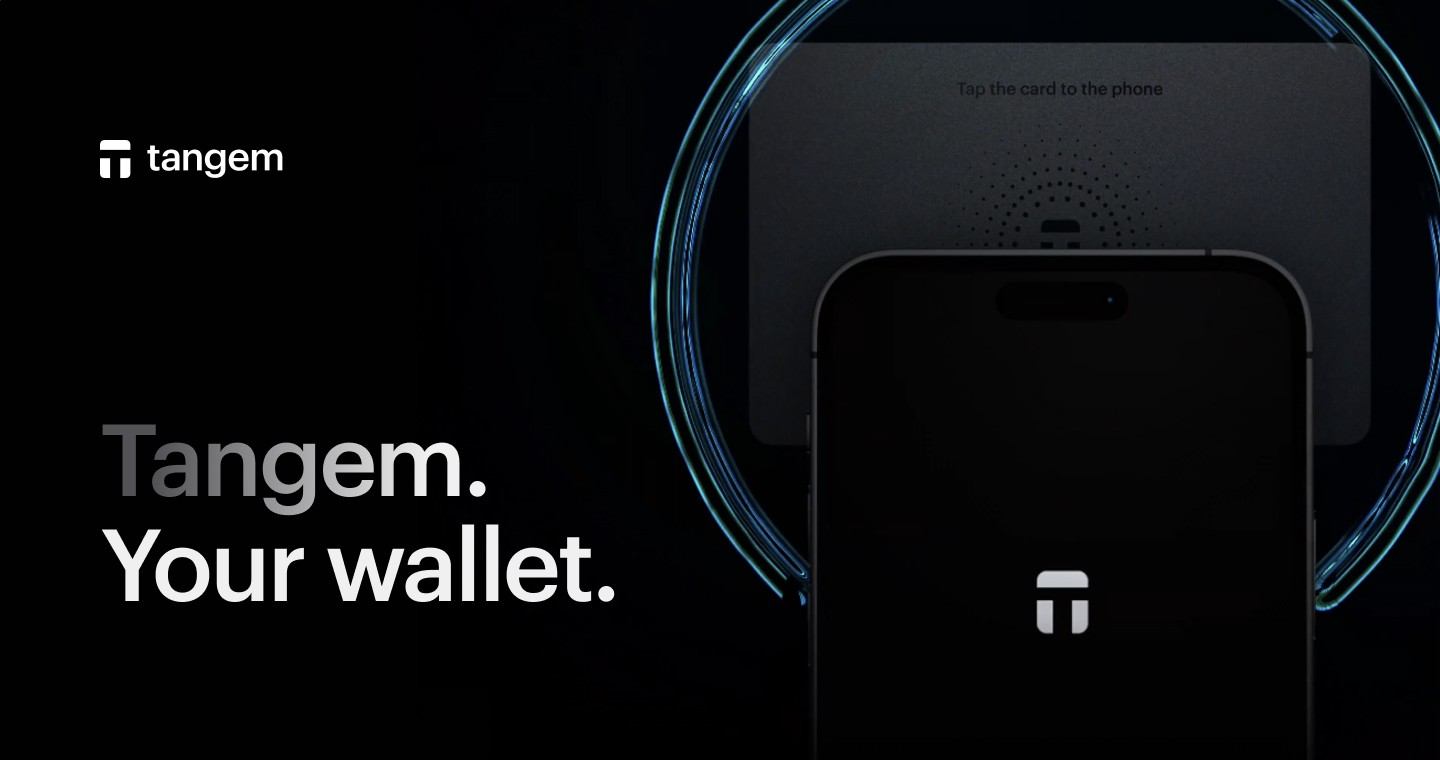
The everyday experience feels closer to tapping a contactless payment card than operating a small USB device. A card has no battery, cable, screen, or charging port. The phone powers the NFC interaction, the app prepares the action, and the chip inside the card signs when the user approves with a tap. That design matters for people who want cold storage without learning device menus or maintaining another gadget.
A typical set ships as two or three cards tied to the same wallet during setup. Each card acts as a physical key. Keeping one at home, one in a safe place, and one as a backup reduces the chance that a lost card becomes a total lockout. Tangem wallet is therefore less about one device and more about a small set of durable keys that must be stored deliberately.
What the phone app does before the card signs
The app is the dashboard. It displays portfolio balances, receiving addresses, token lists, transaction history, swap routes, buying options, and supported network choices. Viewing a balance or sharing a receive address does not spend funds because no private-key signature is required. Spending is different: the transaction must be signed by the card after the phone sends the unsigned request over NFC.
This separation answers a common concern. Biometric unlock on a phone opens the app more quickly, but the card remains the signing instrument for outgoing transfers and sensitive wallet actions. Face ID or fingerprint login is convenience for the interface; the chip is the authority for moving assets. Tangem wallet keeps that line clear by making a send action depend on a card tap.
Seedless setup and optional recovery words
The seedless setup is the feature that gives the product its distinctive profile. During activation, the private key is generated inside the card environment and copied securely to the backup cards in the set. The user never writes down a BIP39 recovery phrase for that mode, so there is no list of words to photograph, mistype, store in email, or reveal to a fake support account.
Advanced users who prefer a conventional recovery workflow choose an optional seed phrase on supported newer cards. That choice changes the responsibility model. A seed phrase gives a portable recovery path across compatible wallets, while the seedless approach concentrates recovery on the card set itself. Neither approach removes the need for disciplined storage; they simply move the main failure point to a different place.
BTC, ETH, tokens, and the networks it manages
Tangem wallet supports Bitcoin and Ethereum, and it also handles many other assets across major networks through the app. For ETH users, that includes ERC-20 tokens and interactions shaped by Ethereum gas fees. Bitcoin users receive and send BTC through the wallet interface, with the card supplying the required signature when funds leave the address.
Network fees are paid to blockchains, not to the card. Sending BTC pays a miner fee. Sending ETH or an ERC-20 token pays gas on Ethereum. Swapping, buying, or selling inside the app involves the terms of the integrated service used for that action. The card does not change those network economics; it protects the private keys that authorize the movement.
A first setup that stays intentionally short
Setup centers on pairing the cards through the mobile app and setting an access code. The app guides the user through activation, backup-card creation, and wallet readiness. The crucial step is finishing the backup process before sending meaningful funds. A partially prepared setup leaves too much riding on one card, which defeats the point of buying a multi-card kit.
Before transferring a large balance, a small test transaction teaches the workflow without pressure. Receive a small amount, confirm that the app sees it, then send a small amount out and watch the card-tap signing step. That exercise shows the practical difference between viewing a wallet and authorizing a transaction. Tangem wallet is easiest to trust when the user has already practiced the full loop.
Where the card design helps most
The card format suits holders who want cold storage for recurring use rather than occasional deep vault access. It fits a phone-first routine: check balances, receive payments, swap small positions, or move assets while the private key stays outside the phone. The durable card shape also removes the maintenance concerns of screens, ports, firmware prompts, and charging cables.
Its benefits are clearest in these situations:
- Holding BTC or ETH while keeping the signing key offline.
- Managing several backup cards instead of a written seed phrase.
- Receiving crypto without carrying the signing card everywhere.
- Using a mobile app as the portfolio interface for many assets.
- Keeping a simple cold-storage workflow for family or business continuity.

The real tradeoffs behind a screenless wallet
A screenless wallet relies on the phone display to show transaction details. That makes phone hygiene important: update the operating system, install the app from the legitimate store, and inspect recipient addresses before tapping the card. The card signs what the app presents through the NFC flow, so the phone remains part of the user's verification environment even though it does not hold the private key.
Lost-card planning matters just as much. With seedless mode, losing every card means losing the practical way to access the wallet. The backup cards are therefore not spare accessories; they are the recovery system. Tangem wallet rewards simple habits: store cards separately, use a strong access code, and avoid carrying every card in the same bag.
Ledger, Trezor, and card-based cold storage
Ledger and Trezor devices use a more traditional hardware-wallet pattern: a small device, a recovery phrase, and confirmation steps on dedicated hardware. Ledger emphasizes a secure element and a broad app ecosystem. Trezor emphasizes open-source transparency and a screen-based signing experience. Those designs give experienced users more familiar recovery mechanics and, in some models, on-device transaction review.
Day to day, Tangem wallet takes a different route by replacing the device-and-seed routine with card backups and NFC signing. People who want a visible screen for every confirmation lean toward screen-based devices. People who see recovery words as the bigger personal risk choose the seedless card model. The better fit depends on which responsibility the user handles more reliably: protecting a phrase or protecting multiple physical cards.
Buying, receiving, swapping, and spending from one app
The app extends beyond cold storage by integrating common actions around the wallet. A user receives coins through standard addresses, sends funds with a card tap, and accesses buy, sell, swap, earn, and spend features where supported by the app's partners and the chosen jurisdiction. Those services sit around the key-management layer; the card remains the signing tool for wallet-controlled transfers.
This broader app design makes Tangem wallet useful for people who want one mobile place to manage assets while still keeping keys offline. It is strongest when treated as a signing system first and an app ecosystem second. The card is the root of control, the phone is the interface, and the blockchain records the actual transfer.

Who gets the best fit from this wallet style
The best match is a holder who wants cold storage with fewer setup rituals and who accepts that physical card custody is the main responsibility. It works well for BTC and ETH holders who dislike writing down recovery words, people who use a phone as their main crypto interface, and users who want a backup system that family members can understand without handling a phrase.
Users who require multisig policy controls, advanced Bitcoin address management, or on-device screen verification should compare specialist hardware wallets before choosing. Tangem wallet is intentionally streamlined. Its value comes from reducing setup friction while keeping the private key in hardware, which is a sharp and useful design when its recovery model matches the owner's habits.
Tangem wallet - common questions
Can the same card set hold Bitcoin and Ethereum together?
Yes. A single activated card set manages one wallet that supports BTC, ETH, and many other assets through the mobile app. Each network still has its own addresses, fee rules, and transaction format. The card does not merge blockchains; it holds the keys used by the app to authorize transactions on the supported networks.
Does biometric unlock replace the NFC signing step?
Biometric unlock opens the mobile app faster, but it does not replace the card for outgoing transactions. Fingerprint or face recognition is an app-access shortcut on the phone. Sending funds still requires the physical card to sign over NFC, along with the wallet's access-control flow. That distinction is central to the security model.
Is a 12-word seed phrase required during setup?
A recovery phrase is not required when using the seedless card-backup setup. In that mode, the wallet key is generated and stored through the cards, and the backup cards replace the written phrase as the recovery method. Newer setups also support an optional seed phrase for users who specifically want BIP39-style portability.
Fees on card-based swaps come from where?
The card itself does not create blockchain fees. Network transfers pay the relevant chain fee, such as BTC miner fees or ETH gas. Swaps and purchases inside the app use third-party service routes with their own quoted pricing, spreads, or service charges. The card's role is to authorize wallet-controlled movement, not to set market or network costs.