Tangem is an NFC cold wallet built around tap-to-sign cards
Tangem is an NFC hardware wallet that stores private keys inside physical cards and uses a mobile app for balances, swaps, earning features, and transaction setup. The distinctive angle is the backup-card model: instead of making every user write down a seed phrase, it links multiple cards to the same wallet during setup, so signing still requires a physical tap on a phone.
This page focuses on the everyday workflow: receiving coins, choosing the right network, signing with a card, using in-app services, and keeping backups usable. The design suits people who want cold storage without cables, batteries, browser extensions, or a recovery sheet sitting in a drawer. It also creates a different set of habits from Ledger, Trezor, MetaMask, Trust Wallet , or exchange accounts.
The card backup model changes the recovery routine
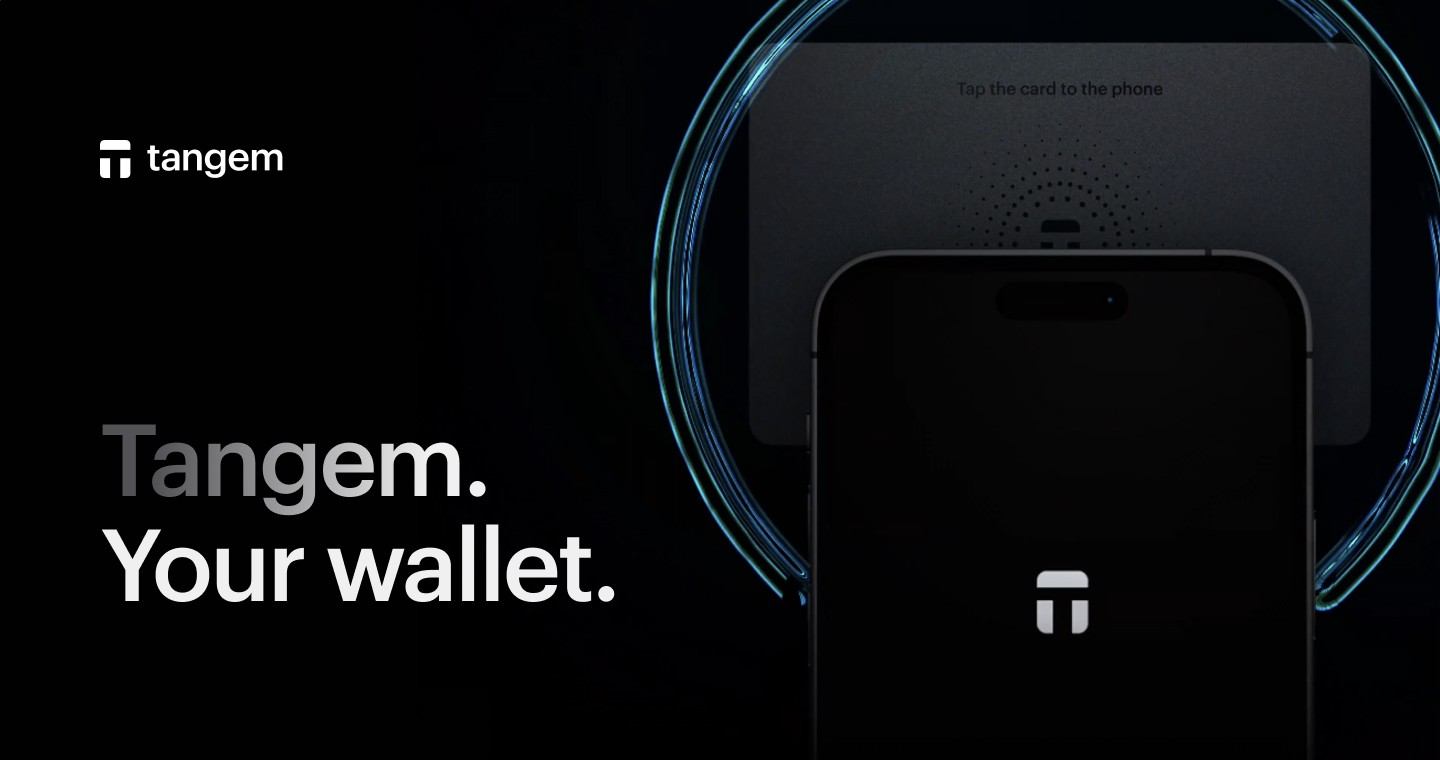
The main product comes as a set of cards that act as hardware keys. During setup, the app pairs the cards to one wallet so each card authorizes access. If one card is damaged or misplaced, another paired card remains available. That makes the backup tangible: the recovery method is another sealed card, stored separately, rather than a phrase typed into a device or photographed by mistake.
Seed phrases still matter in crypto, and Tangem offers a seed phrase option for advanced users who want one. The default path, though, is seedless. That decision shifts the security burden from hiding words to protecting cards, access codes, and phones. It is simpler for many owners, but it rewards disciplined storage: one card at home, one in another secure place, and no casual sharing of access codes.
How tap-to-sign works during a transfer
A transfer starts in the app, where the user chooses an asset, enters the destination address, selects the network, reviews the amount, and prepares the transaction. The private key stays inside the card's secure chip. When the phone prompts for approval, an NFC tap lets the card sign the transaction data, and the app broadcasts the signed transaction to the relevant blockchain.
This matters because the app is the interface, not the vault. Balances live on public blockchains such as Bitcoin, Ethereum, Solana, XRP Ledger, Cardano, or Polygon, and the card proves control of the address. A phone can display portfolio values and draft actions; moving funds requires the physical signing step configured for the wallet.
Swaps and buying inside the app need a fee check
The app includes partner-powered services for buying, selling, swapping, and earning. That convenience reduces the number of apps a holder opens, especially when moving between assets or topping up a small position. The trade-off is cost transparency: card purchases and instant swaps route through third-party providers, and those providers set spread, card-processing fees, network fees, and availability.
A practical flow is to compare the in-app quote against a major exchange before confirming a large trade. For small amounts, the convenience premium is visible and sometimes acceptable. For larger Bitcoin or Ethereum buys, many users prefer buying on an exchange with tighter fees, then withdrawing to the cold wallet for storage. Tangem still handles the receiving address and signing workflow after the coins arrive.
Network selection is the step that deserves the most attention
The app supports many assets across multiple chains, but the same ticker does not always mean the same network. ETH on Ethereum differs from wrapped ETH on another chain. USDT appears on Ethereum, Tron, BNB Smart Chain, Polygon, and other networks. HBAR on Hedera differs from a wrapped representation issued somewhere else. Sending to the wrong chain creates a recovery problem, not a normal support ticket.
Before receiving funds, match three things: the asset, the network, and the address format. If an exchange asks for a wallet or platform name and Tangem is absent from the list, the label is secondary. The blockchain network selection is the decisive field. A small test withdrawal gives a clean confirmation before sending the rest.
What earning features mean from a cold wallet
Earning inside a self-custody wallet covers activities such as staking or partner yield routes where supported assets remain controlled through wallet authorization. The exact experience changes by coin and provider. Staking a network asset, using a DeFi route, or joining a third-party earning product involves different lockups, validator behavior, reward timing, and smart contract exposure.
The useful distinction is that approval still starts from the wallet owner. The card signs the required transaction, and the chain or service records the action. That gives the owner a single place to view and authorize activity, but it does not make every earning route identical. Read the asset screen, reward terms, and unstaking details before treating an estimate as spendable income.
Getting started with cards, phone, and access code
Setup is short because the hardware has no screen, charging port, cable, or battery. A compatible iOS or Android phone uses NFC to communicate with the card. The app creates or imports the wallet, pairs backup cards, and asks for an access code. Once the wallet exists, the owner adds assets, copies receiving addresses, and uses the card when the app requests a signature.
- Install the mobile app and scan the first card with NFC.
- Pair every backup card during the same setup session.
- Create an access code that is memorable but private.
- Add the coins and networks you plan to receive.
- Send a small test amount before a first large transfer.
That sequence keeps onboarding focused on custody before trading. It also avoids a common mistake: sending funds to a chain the app displays for a different version of the asset.
Where card cold storage beats an exchange balance
Cold storage shines when the owner wants keys outside an exchange login system. The card signs locally through NFC, while the private key remains offline and unavailable to the phone's normal apps. This protects long-term holdings from exchange freezes, account compromises, password reuse, and withdrawal-policy changes. The manufacturer also promotes a long limited hardware warranty and a record of cards shipped since its 2017 launch.
The experience is less suited to constant market-making or high-frequency trading. A centralized exchange gives order books, limit orders, margin products, and faster movement between pairs. A browser wallet such as MetaMask gives deeper DeFi composability. Tangem is strongest when the goal is holding, receiving, occasional swapping, and approving transactions without exposing a seed phrase during daily use.

Ring and Pay point to a wider tap-based ecosystem
The company also presents a wearable wallet concept through its ring product and has discussed payment-card experiences tied to crypto spending. Those ideas extend the same tap-based design language beyond the original card set. They are interesting because they make hardware signing feel less like a specialized desktop procedure and more like an everyday NFC interaction.
Wearable custody also raises a personal visibility question. A ring is convenient, but it is worn in public, so many holders reserve highly portable hardware for small balances or secondary wallets. The card set remains the cleaner choice for primary storage because it is easier to separate backups and keep signing devices out of sight.
Alternatives fit different custody habits
Ledger devices add a small screen and broad app ecosystem, which appeals to users who want desktop integrations and detailed device prompts. Trezor emphasizes open-source hardware-wallet culture and a conventional seed-phrase recovery model. MetaMask is flexible for Ethereum and EVM DeFi, but it is a hot wallet unless paired with hardware. Exchange custody works for fast trading and fiat ramps, while self-custody cards fit long-term control.
The right choice comes down to recovery style, transaction frequency, and supported chains. Tangem stands out for NFC card signing, optional seed phrases, and backup cards that remove the need to handle recovery words during normal setup. That makes it a serious option for holders who want a mobile-first cold wallet with built-in swap and earning access, provided they treat network selection and card storage as core parts of the workflow.
Tangem - common questions
- Does the Tangem app store my crypto or only show balances?
- The app shows balances and prepares transactions, while the coins remain recorded on their blockchains. The card controls the private key needed to authorize movement from the wallet address. Think of the app as the dashboard and transaction builder, and the card as the signing key. If the phone is lost, paired backup cards and the correct app setup restore access to the same blockchain accounts.
- Do I need a seed phrase when setting up the card wallet?
- A seed phrase is optional. The default setup uses multiple paired cards as physical backups, so recovery depends on keeping those cards safe and remembering the access code. Advanced users who prefer a traditional recovery phrase can choose that route during setup. The seedless path appeals to people who want to avoid writing, storing, and later re-entering recovery words.
- Which networks should I choose before sending USDT, ETH, or HBAR?
- Choose the exact network that matches the asset on the sending platform and the receiving address in the wallet. USDT, for example, exists on several chains, and ETH-style assets also appear as wrapped tokens on other networks. HBAR on Hedera uses Hedera addressing, while wrapped versions on other chains follow different rules. A small test transaction is the cleanest way to confirm a first route.
- Fees on in-app swaps and card purchases: what should I check?
- Check the quoted asset amount, provider fee, spread, blockchain network fee, and final amount received. In-app services are convenient because they happen from the wallet interface, but third-party providers set pricing. Card buys and instant swaps cost more than exchange orders in many cases. For larger purchases, comparing a quote with a reputable exchange helps reveal the convenience premium.
- Is Tangem better for daily spending or long-term storage?
- It is better aligned with long-term storage and occasional transactions than constant trading. The NFC tap flow is quick, but every meaningful action still involves wallet authorization and network fees. Daily spending becomes more relevant as payment products mature, yet primary holdings belong in a setup where backup cards are separated and transaction habits stay deliberate.